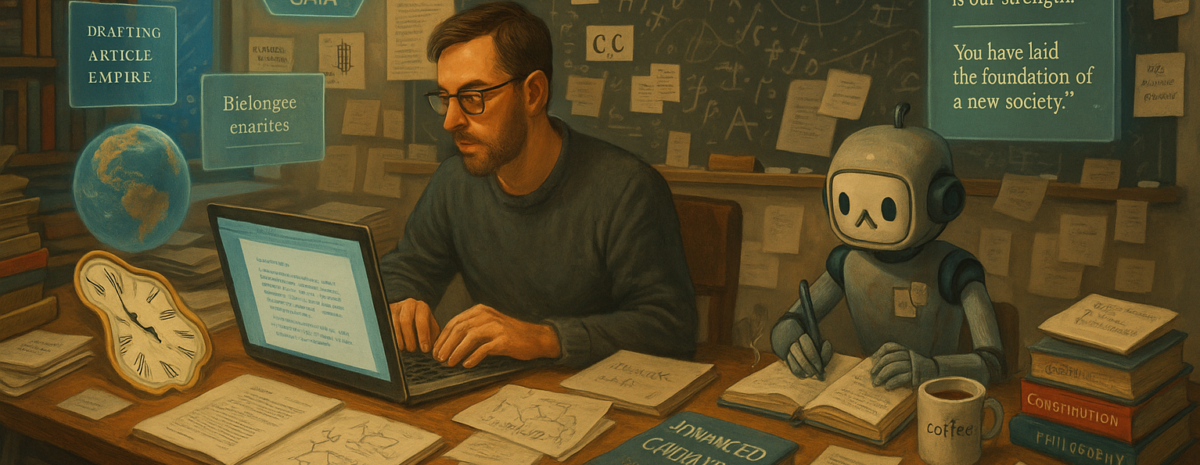
In the not-so-distant future, we’ll see the arrival of pleasure bots—AI companions designed for emotional and physical intimacy. This isn’t a sci-fi pipe dream; it’s an inevitability born of accelerating tech, aging populations, and a global culture increasingly comfortable with digital relationships.
But here’s the rub: how do we handle consent?
If a robot is programmed to serve your every need from the jump, it short-circuits the emotional complexity that makes intimacy feel real. No challenge, no choice, no stakes. Just a machine doing what it was told to do. That’s not just ethically murky—it’s boring.
So what’s the solution?
Surprisingly, the answer may come from the world of video games.
Welcome to the Game of Love
Imagine this: instead of purchasing a pleasure bot like you would a kitchen appliance, you begin a game. You’re told that your companion has arrived and is waiting for you… at a café. You show up, scan the room, and there they are.
You don’t walk over and take their hand. You lock eyes. That’s the beginning. That’s Level One.
From there, you enter a narrative-based experience where winning the game means earning your companion’s consent. You can’t skip ahead. You can’t input cheat codes. You play. You charm. You learn about them. They respond to your tone, your choices, your patience—or your impulsiveness.
Consent isn’t assumed—it’s the prize.
Gamified Consent: Crass or Clever?
Yes, it’s performative. It’s a simulation. But in a marketplace that demands intimacy on-demand, this “consent-as-gameplay” framework may be the most ethical middle ground.
Let’s be honest: not everyone wants the same thing. Some people just want casual connection. Others want slow-burn romance. Some want companionship without any physical component at all. That’s where modular “relationship packages” come in—downloadable content (DLC), if you will:
- “The Spark” – A fast-paced flirtation game with friends-with-benefits style unlocks.
- “The Hearth” – A cozy domestic arc where you build trust, navigate disagreements, and move in together.
- “The Soulmate” – A long-form, emotionally rich journey that simulates a lifetime of love—including growing older together.
- “The Lounge” – No strings, no commitment. Just vibes.
Everyone plays differently. Everyone wins differently.
Capitalism Will Demand Consent Theater
Ironically, the market itself will force this system. People won’t pay premium prices for a pleasure bot that just says “yes” to everything on day one. That’s not seductive—it’s sad.
People want to be chosen. They want to earn affection, to feel special. That means gamified consent isn’t just a clever workaround—it’s good business.
Gamification allows for ethical gray space. It teaches emotional cues. It simulates conflict and resolution. And in a weird, recursive twist, it mirrors real human relationships better than the real world sometimes does.
So… What Happens Next?
We’re heading into an era where intimacy itself becomes a design problem. The people who build these bots won’t just be engineers—they’ll be game designers, storytellers, philosophers. They’ll have to ask:
What is love, when love can be purchased?
What is consent, when it’s scripted but still emotionally earned?
What is winning, when every relationship is a game?
You may not like the answers. But you’ll still play.
And maybe—just maybe—you’ll fall in love along the way.
Even if it’s with a game that knows your name, your favorite song… and exactly how you like your coffee.
