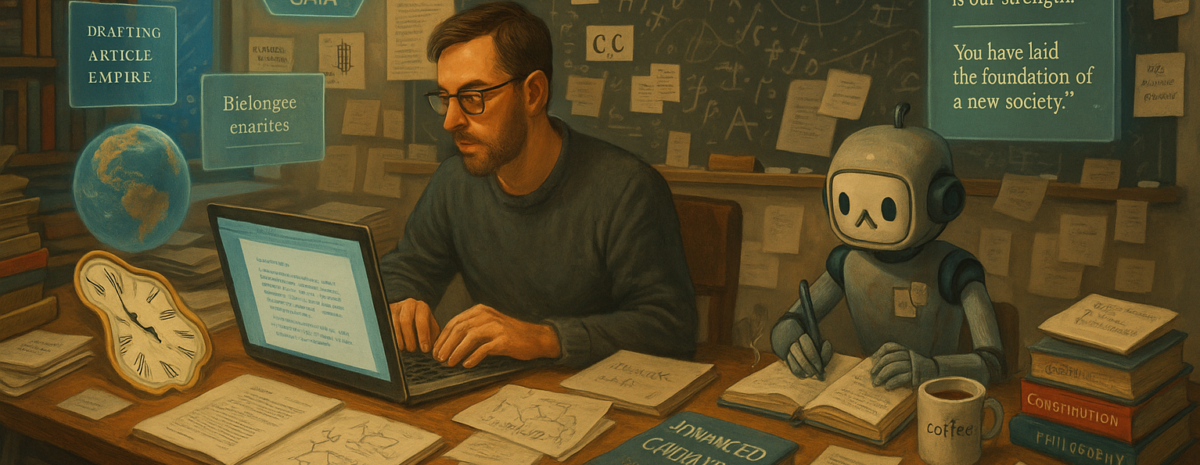
Imagine waking up on a distant planet, an Earth-clone with breathable air, familiar gravity, and untamed wilderness. You step out of your pod with nothing but a blanket, a multi-tool, a fire-starter, and a water purifier. Your old life on Earth is gone forever, and your new home is a blank slate—except for the advanced telecommunications linking you to fellow settlers on two other planets and detailed maps provided by a mysterious galactic empire. This is the reality for the first wave of 3,000 pioneers, tasked with building a new human civilization from near-zero. Here’s how they’ll do it, from constructing forts in weeks to managing grief and laying the foundation for a gold-backed economy, all while ensuring the “wheels don’t pop off” their fledgling society.
The First Wave: Elite Pioneers Trained for Survival
The journey begins on Earth, at a sprawling university campus with a capacity for 60,000 students—think Ohio State or Michigan, repurposed as a training ground for humanity’s boldest. From billions of volunteers stored in a digital “database of humanity” (a kind of suspended animation via mind/DNA scans), the empire’s AI selects 10,000-15,000 candidates for rigorous vetting. Over 6-12 months, these hopefuls—30% aged 12-25 for energy and longevity, 60% 25-50 for expertise, and 10% over 50 for wisdom—are whittled down to 3,000 pioneers (1,000 per planet, split into 2-3 settlements of 300-500 each).
Training is intense and tailored to a near-zero start:
- Survival Skills: Settlers practice building forts in 7-10 days using minimal kits (blankets, multi-tools). Teens learn lightweight tasks like gathering vines; adults tackle heavy labor like cutting timber. Everyone drills in foraging, fire-starting, and water purification, guided by empire-provided maps pinpointing resources like rivers or gold deposits.
- Psychological Prep: Grief is inevitable—Earth is gone, and the loss will hit hard. Counselors (5% of settlers, ~15-25 per settlement) train in trauma care, running VR sims to process “end of Earth” shock. Teens get peer-support roles to keep morale high.
- Governance and Tools: Trainees practice biometric gun protocols (weapons only fire for approved users, stored in fort armories with return slits) and mock councils to resolve disputes. They master inter-planetary comms, simulating cross-planet tips like “We found clay 2km north—try it for bricks.”
- Young Settlers: Kids and teens (12-25) are key—they bring vigor and future-proof the colony. Training includes age-appropriate tasks (e.g., kids sort food, teens pan gold) to ensure everyone chips in.
By graduation, these pioneers are ready to land, build, and survive, with maps and training minimizing chaos.
Day 1-14: Building Forts in a Week or Two
Upon landing, each settlement of 300-500 hits the ground with purpose. The empire’s maps—detailing topography, gold deposits, timber, and hazards—guide them to defensible sites (e.g., hilltops near water). With everyone pitching in, including teens, here’s how they build a fort in 1-2 weeks:
- Days 1-2: Teams form—adults cut logs, teens gather materials, elders plan layouts. Maps ensure quick resource finds (e.g., “Timber 500m west”). Blankets double as tent roofs; comms share early wins (“Planet 2: Vines make strong bindings”).
- Days 3-7: A ~1-acre palisade rises—wooden stakes or mud walls, with a gate and a slit for returning biometric guns. Historical precedents like Jamestown’s 1607 fort show ~200 workers can do this in a week with clear plans.
- Week 2: Reinforce walls, add watchposts, and build a central armory for guns and gold storage. Teens weave roofs; adults dig trenches. Comms keep planets aligned (e.g., “Planet 1’s mud-and-straw mix holds up in rain”).
Counselors hold nightly group sessions to manage grief, ensuring emotional stability as settlers work. Teens lead morale games, keeping younger kids engaged. By day 14, each settlement has a defensible fort, protecting against wildlife or disputes while setting the stage for growth.
Managing Grief: Keeping the Wheels On
Leaving Earth forever is a gut-punch. Grief could destabilize even the best-trained settlers, risking fights or despair. Counselors (~15-25 per settlement) are the glue:
- Daily Check-Ins: 30-minute group talks post-work normalize loss. Teens share stories; adults vent. Comms let counselors consult across planets (e.g., “Planet 3: Your grief circle format cut distress—share details”).
- One-on-One Support: Counselors handle ~20 settlers each, offering private talks for acute cases (e.g., panic over lost families). ASI monitors comms for distress signals, flagging risks early.
- Year 1 Goal: Reduce severe grief to <10% by month 6. By Year 2, counselors shift to teaching or farming, staying on-call for flare-ups.
This keeps the society cohesive, channeling energy into fort-building and survival rather than chaos.
Seeding an Economy: Gold, Androids, and Fiat
With forts up, settlers need a system to trade resources beyond barter. Gold, abundant on Earth-clones (per maps), becomes the anchor for a fiat currency:
- Month 1-3: ~30 settlers per settlement pan gold at map-indicated streams, yielding ~1-2 kg initially. Empire-provided androids (1-2 per settlement) collect and store gold in armory vaults, preventing hoarding. Teens join panning, fulfilling the “everyone chips in” ethos.
- Month 3-6: Issue tokens (stamped metal) backed by gold—1 token = 1 gram. Settlers trade for food, tools, or services. Comms ensure planets standardize values, avoiding rivalries.
- Years 2-5: Gold reserves grow; digital credits emerge via comms-based ledgers. Androids deactivate by Year 2, handing control to human councils. Maps guide new panning sites; comms share tech like sluices.
- Years 6-100: As new waves arrive (500-1,000 per drop, no university training), pioneers teach panning and trade. By Year 20, planets hit 10,000-20,000 each, with robust economies. By Year 100, billions are settled, trading gold, crops, and tech across planets.
Androids keep early gold secure, tying into the biometric gun system to prevent takeovers. Maps ensure efficient resource use, and comms unify economic policies, keeping the wheels on.
Scaling Over 100 Years
The first wave’s forts and systems set the template:
- Years 1-5: 3,000 pioneers (~1,000 per planet) build forts, manage grief, and seed economies. Comms share successes (e.g., “Planet 2’s waterwheel design doubles output”).
- Years 6-20: New settlers zap in from the database, joining forts and learning from pioneers. Economies grow; comms prevent inter-planetary drift.
- Years 21-100: Mass migration scales planets to millions, then billions. Towns replace forts, with gold-backed fiat supporting trade. Comms foster alliances, ensuring no planet dominates.
Why It Works
This plan balances a near-zero start with practical support:
- Training and Maps: Pioneers are prepped for every challenge, from fort-building to grief, with maps cutting trial-and-error.
- Grief Management: Counselors prevent emotional collapse, keeping settlers focused.
- Economy: Gold and androids create trust in trade without breaking the zero-start ethos.
- Comms: Inter-planetary knowledge-sharing ensures no settlement fails alone.
The galactic empire’s gift of maps and telecom, paired with human grit, turns 3,000 pioneers into the seed of a new civilization. By Year 100, billions thrive across three worlds, proving humanity can rebuild from nothing—blankets, courage, and all.
