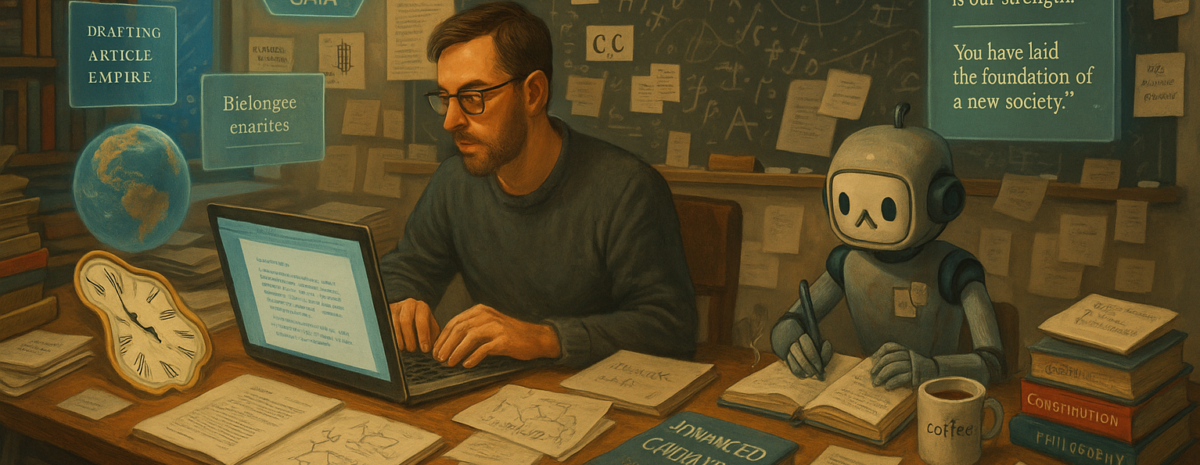
If you’ve been following the whirlwind of AI agent developments in early 2026, one name has dominated conversations: Moltbot (formerly Clawdbot). What started as a solo developer’s side project exploded into one of GitHub’s fastest-growing open-source projects ever, racking up tens of thousands of stars in weeks. Created by Peter Steinberger (the founder behind PSPDFKit), Moltbot is an open-source, self-hosted AI agent that doesn’t just chat—it does things. Clears your inbox, manages your calendar, books flights, writes code, automates workflows, and communicates proactively through apps like WhatsApp, Telegram, Slack, Discord, or Signal. All running locally on your hardware (Mac, Windows, Linux—no fancy Mac mini required, though plenty of people bought one just for this).
This isn’t hype; it’s the kind of agentic AI we’ve been discussing in the context of future “Navis”—those personalized Knowledge Navigator-style hubs that could converge media, information, and daily tasks into a single, anticipatory interface. Moltbot feels like a real-world prototype of that vision, but grounded in today’s tech: persistent memory for your preferences, an “agentic loop” that plans and executes autonomously (using tools like browser control, shell commands, and APIs), and a growing ecosystem of community-built “skills” via registries like MoltHub.
Why Moltbot Feels Like the Future Arriving Early
We’ve talked about how Navis could shift us from passive, outrage-optimized feeds to proactive, user-centric mediation—breaking echo chambers, curating balanced political info, and handling information overload with nuance. Moltbot embodies the “proactive” part vividly. It doesn’t wait for prompts; it can run cron jobs, monitor your schedule, send morning briefings, or even fact-check and summarize news across sources while you’re asleep. Imagine extending this to politics: a Moltbot-like agent that proactively pulls balanced takes on hot-button issues, flags biases in your feeds, or simulates debates with evidence from left, right, and center—reducing polarization by design rather than algorithmic accident.
The open-source nature accelerates this. Thousands of contributors are building skills, from finance automation to content creation, making it extensible in ways closed systems like Siri or early Grok can’t match. It’s model-agnostic too—plug in Claude, GPT, Gemini, or local Ollama models—keeping your data private and costs low (often just API fees). This decentralization hints at a “media singularity” where fragmented apps and sources collapse into one trusted agent you control, not one that controls you.
Is Moltbot a Subset of Future Navis? Absolutely—And a Precursor
Yes, Moltbot is very much a building block—or at least a clear signpost—toward the full-fledged Navis we’ve envisioned. Today’s Navis prototypes (advanced agents in research or early products) aim for multimodality, anticipation, and deep integration. Moltbot nails the autonomous execution and persistent context that make that possible. Future versions could layer on AR overlays, voice-first interfaces, or even brain-computer links, while inheriting Moltbot-style tool use and task orchestration.
The viral chaos around its launch (a quick rebrand from Clawdbot due to trademark issues with Anthropic, crypto scammers sniping handles, and massive community momentum) shows the hunger for this. People aren’t just tinkering—they’re buying dedicated hardware and integrating it into daily life. It’s “AI with hands,” as some call it, redefining assistants from passive responders to active teammates.
The Caveats: Power Comes with Risks
Of course, this power is double-edged. Security experts have flagged nightmares: broad system access (shell commands, file reads/writes, browser control) means misconfigurations or malicious skills could be catastrophic. Privacy is strong by default (local-first), but granting an always-on agent deep access invites exploits. We’ve discussed how biased agents could worsen polarization or enable manipulation—Moltbot’s openness amplifies that if bad actors contribute harmful skills.
Yet the community is responding fast: sandboxing options, better auth, and ethical guidelines are emerging. If we get the guardrails right (transparent tooling, user overrides, vetted skills), Moltbot-style agents could depolarize discourse by defaulting to evidence and balance, not virality.
