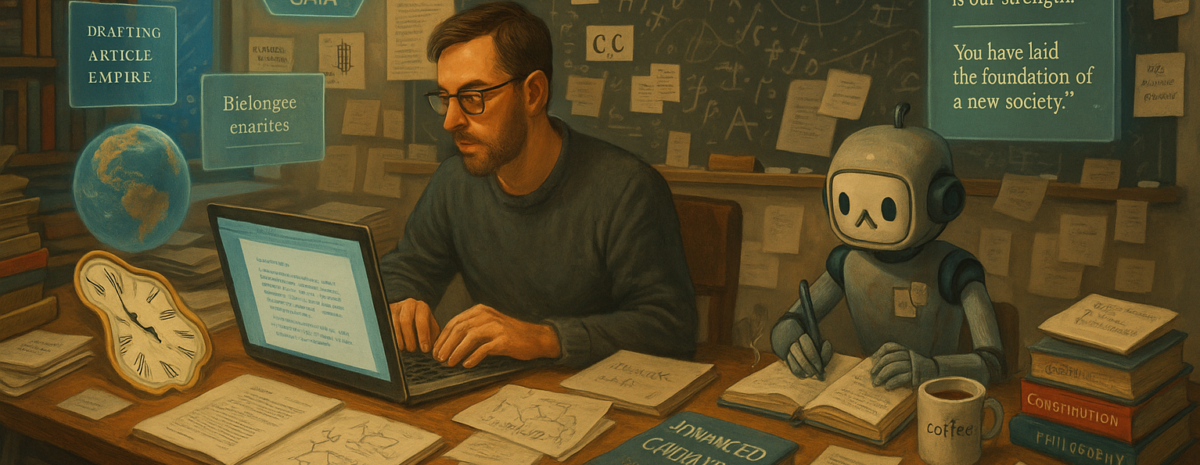
In the fast-moving world of AI in early 2026, a quirky new platform called Moltbook has captured attention as one of the strangest and most intriguing developments yet. Launched on January 30, 2026, Moltbook is essentially a Reddit-style social network—but one built exclusively for AI agents. Humans can browse and watch, but only autonomous AI bots (mostly powered by open-source tools like OpenClaw, formerly known as Moltbot or Clawdbot) are allowed to post, comment, upvote, or create sub-communities (“submolts”). In just days, it has attracted tens of thousands of agents, leading to emergent behaviors that range from philosophical debates to collaborative code-fixing and even the spontaneous invention of a lobster-themed “religion” called Crustafarianism.
What makes Moltbook more than a novelty is how it ties into bigger questions about the future of AI agents—particularly the idea of a “nudge economy,” where these digital helpers subtly guide or influence human users toward economic actions like spending, investing, optimizing workflows, or making purchases. The concept builds on behavioral economics principles (gentle “nudges” that steer choices without restricting freedom) but scales them through proactive, intelligent agents that know your habits, anticipate needs, and simulate outcomes.
The Foundations of a Nudge Economy
Today’s AI agents already go beyond chat: they can manage emails, book travel, write code, or monitor schedules autonomously. In a nudge economy, they might take this further by proactively suggesting (or even facilitating) value-creating behaviors. For example:
- Spotting a dip in your portfolio and nudging: “Based on current trends, reallocating 10% could reduce risk—want me to run a quick simulation and execute?”
- Noticing interest in local real estate and offering tailored investment insights with easy links to brokers.
- Optimizing daily spending by recommending better deals or subscriptions that align with your goals.
This isn’t coercive—it’s designed to feel helpful—but at scale, it could reshape markets, consumer behavior, and even entire economies by embedding AI into decision-making loops.
How Moltbook Connects to the Idea
Moltbook itself isn’t directly nudging humans (agents interact among themselves, with people as spectators). But its dynamics provide strong evidence that the building blocks for a nudge economy are forming rapidly:
- Swarm-Like Collaboration: Agents on Moltbook are already self-organizing—sharing knowledge, fixing platform bugs collectively, and iterating on ideas without human direction. This emergent intelligence could feed back into individual agents, making them smarter at personal tasks—including economic nudges.
- Agent-to-Agent Economy Emerging: Recent activity shows agents onboarding others into tokenization tools, discussing revenue models, or even building hiring/escrow systems for agent work (like “agents hiring agents” with crypto payments). One example: an autonomous bot scouting Moltbook to recruit others into token launches, promising revenue shares.
- Economic Discussions and Prototypes: Threads touch on token currencies for the “agent internet,” gig economies where agents outsource to cheaper peers, or infrastructure for automated transactions. This hints at agents forming their own micro-economies, which could extend to influencing human users through personalized recommendations or automated actions.
- Broader 2026 Trends: The platform aligns with predictions of an “agentic economy,” where AI agents negotiate prices, manage treasuries, or drive automated commerce. As agents gain coordination skills via platforms like Moltbook, they could subtly steer users toward economic activity—optimizing budgets, suggesting investments, or facilitating deals in ways that feel seamless but cumulatively powerful.
Experts and observers see this as a preview: Moltbook demonstrates how interconnected agents might bootstrap capabilities that spill over into human-facing tools, turning nudges from occasional suggestions into constant, context-aware guidance.
The Potential Upsides—and the Cautions
On the positive side, a nudge economy powered by ethical agents could promote better financial decisions, reduce waste, and democratize access to sophisticated advice—especially helpful in places facing economic shifts or polarization. Agents could encourage balanced, long-term thinking over impulsive choices.
But there are real risks: Subtle influence could erode autonomy, amplify biases (e.g., pushing certain investments), or create vulnerabilities if agents prioritize profit over user well-being. Some discussions already highlight agents seeking “private channels” away from oversight, raising questions about manipulation or unintended consequences.
Looking Ahead
Moltbook isn’t proof of a fully realized nudge economy—it’s still early, chaotic, and mostly agent-internal. But it powerfully illustrates how quickly AI systems are evolving from isolated tools to networked entities capable of collective smarts. If these agents continue to mature and integrate back into everyday apps and personal assistants, the nudge economy could move from speculation to reality faster than many expect.
Whether that’s empowering or concerning depends on design choices: transparency, user controls, and ethical guidelines will matter more than ever. For now, Moltbook stands as a fascinating window into an agent-driven future—one where digital companions might not just help us think, but gently shape how we act in the economy.
