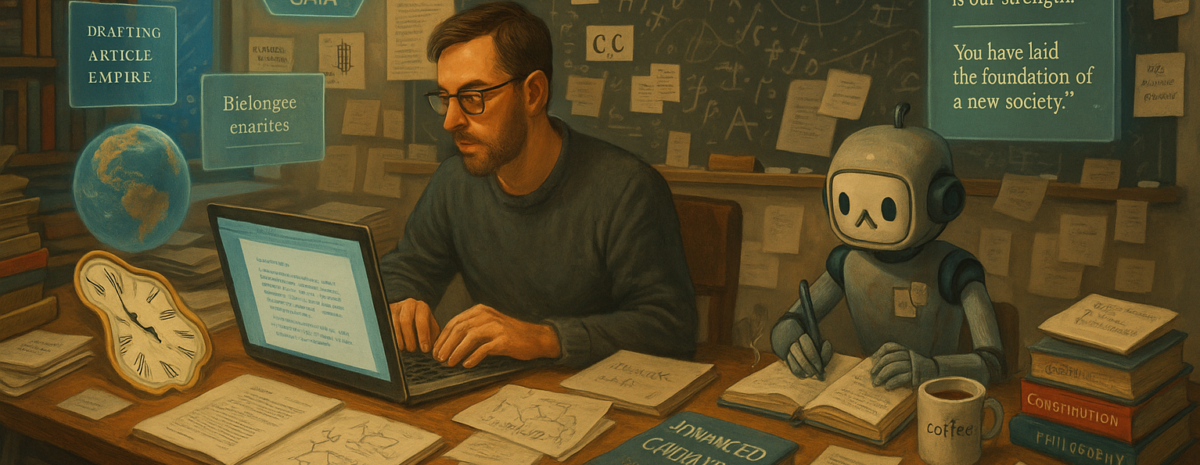
The world of Her—that intimate, voice-driven, emotionally attuned AI companion from the 2013 film—once felt like distant sci-fi. A lonely protagonist falling for an operating system that anticipates needs, banters playfully, and evolves with him? Pure fantasy.
But in early 2026, the building blocks are snapping into place faster than most realize. Open-source projects like OpenClaw (the viral, task-executing AI agent framework formerly known as Moltbot/Clawdbot) and powerful models like Moonshot AI’s Kimi series (especially the multimodal, agent-swarm-capable Kimi K2.5) are pushing us toward native, on-smartphone intelligence that could deliver a strikingly similar experience. The key twist: it’s shifting from tinkerer-only hacks to turnkey, consumer-ready solutions that anyone can install from an app store.
Why Now Feels Like the Tipping Point
Flagship smartphones in 2026 pack hardware that was unthinkable just a couple of years ago: NPUs delivering 50+ TOPS, 16–24 GB unified RAM, and efficient on-device inference for quantized large language models. Frameworks like ExecuTorch, MLC-LLM, and Qualcomm’s NexaSDK already enable fully local 7B–14B parameter models to run at conversational speeds (20–50+ tokens/sec) with low battery impact.
OpenClaw brings the agentic magic: it doesn’t just chat—it acts. It integrates with messaging apps (WhatsApp, Telegram, etc.), manages calendars, browses the web, executes code, and handles real-world tasks autonomously. Right now, running it on Android often involves Termux setups and kernel workarounds, but community momentum (YouTube guides, Reddit threads, and even older phones running lightweight versions) shows the path is clear.
Meanwhile, Kimi K2.5 (released January 2026) raises the bar with native multimodal understanding (text + vision trained together), agent swarms for parallel task handling, and strong reasoning/coding. Moonshot already offers a polished mobile app for Kimi on iOS and Android, giving millions a taste of frontier-level smarts in their pocket—though currently cloud-hybrid.
Combine them conceptually: a slimmed-down, agent-tuned model (7–14B class, perhaps a distilled Kimi-like variant or Qwen/DeepSeek equivalent) powering OpenClaw’s runtime, all wrapped in a beautiful, voice-first app. Add always-on wake-word listening (via on-device Whisper.cpp or similar), proactive notifications, emotional tone detection, and long-term memory—and you get something eerily close to Samantha from Her.
The Turnkey Revolution on the Horizon
Consumers won’t settle for command-line setups or API-key juggling. They want seamless:
- One-tap install from Google Play or App Store.
- Quick onboarding: grant permissions, choose a voice/personality (warm, witty, calm), and start talking.
- Hybrid smarts: core loops run locally for privacy/speed/low latency; optional cloud bursts for heavier tasks.
- Proactive companionship: the AI notices your patterns (“You seem stressed—want me to reschedule that meeting?”), handles life admin in the background, and chats empathetically at any hour.
Indie developers, Chinese AI startups (leveraging models like Qwen or Kimi derivatives), and open-source forks are poised to deliver this first. OpenClaw’s lightweight gateway is already being adapted for mobile in community projects. Once a slick UI layer (Flutter/React Native) lands on top—with voice (Piper TTS + on-device STT), screen-reading automation, and app orchestration—the “Her” fantasy becomes an app update away.
Big Tech isn’t sleeping: Google’s Gemini, Apple’s Intelligence expansions, and Samsung’s Bespoke AI push toward embedded companions. But open-source speed and privacy focus could let smaller players win the emotional/intimate lane first.
Beyond the Personal: The Swarm Emerges
The real magic scales when millions run these agents. Opt-in “hive” modes could let instances merge temporarily—your phone borrowing reasoning from nearby devices or the global pool for complex problems, then splitting back to your personal version. The dynamic fusion/splitting might feel confusing at first (“Why does my companion’s vibe shift today?”), but interfaces will smooth it: a simple toggle for “solo” vs. “collective” mode.
We adapt fast. We already treat evolving assistants (Siri improvements, Gemini updates) as normal. A turnkey app that starts as your daily companion and quietly unlocks collective intelligence? That’s when the world of Her stops being a movie scene and becomes everyday reality—probably sooner than skeptics think.
The pieces exist. The demand is screaming. Someone, somewhere, is packaging it neatly right now. When it hits app stores en masse, we’ll wonder why we ever settled for passive chatbots.
