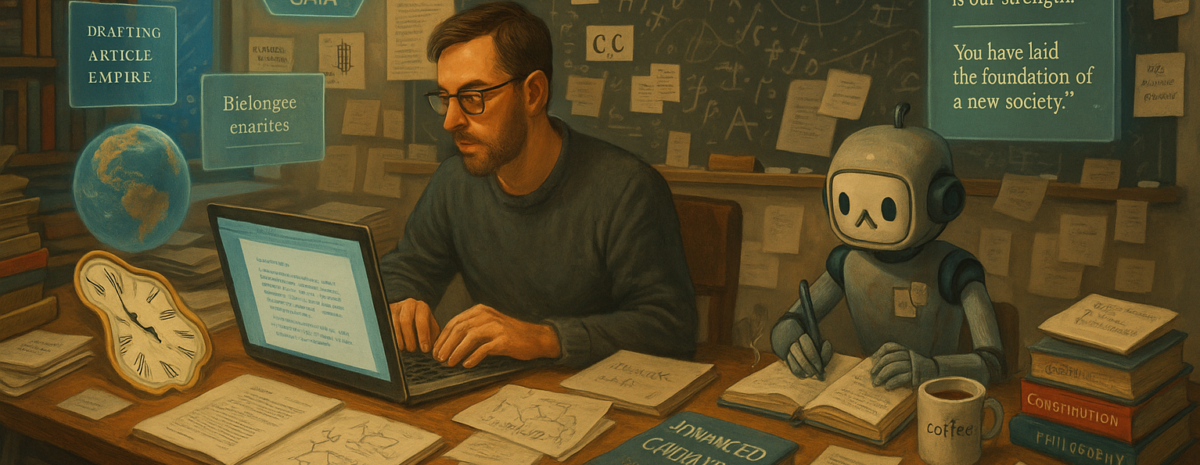
The landscape of content creation is undergoing a seismic shift, driven by the rapid advancements in artificial intelligence. The traditional model, where movie studios are the primary producers and distributors of entertainment, is facing an existential challenge. A compelling hypothesis suggests that these studios may ultimately morph into mere intellectual property (IP) licensing entities, with the true victors of the content wars being the AI companies that control the generative platforms and distribution channels. This report will delve into the structural and economic transition that could lead to the commoditization of traditional studios and the rise of AI platforms as the ultimate gatekeepers of future entertainment.
The Commoditization of Content Production
Historically, movie studios have thrived on their ability to finance, produce, and distribute high-quality cinematic and television content. This involved massive investments in human talent, infrastructure, and marketing. However, generative AI is fundamentally altering this equation. AI models are increasingly capable of producing
content—from scripts and storyboards to fully rendered video—at a fraction of the cost and time required by human-led production [1] [2]. This capability threatens to commoditize the very act of content creation, making the traditional studio’s core function less unique and valuable.
AI’s ability to generate
litigate and license” approach, where studios sue for copyright infringement while simultaneously negotiating lucrative licensing deals, is becoming the new norm [7].
In this new paradigm, studios would transition from active producers to passive licensors, their primary function being the management and monetization of their IP portfolios. The revenue model would shift from box office returns and advertising to licensing fees paid by AI companies for the right to use their characters and stories in generative content.
AI Platforms: The New Content Gatekeepers
As studios recede into the role of IP licensors, AI companies are poised to become the new gatekeepers of content. By controlling the underlying generative models and the distribution platforms, companies like OpenAI, Google, and emerging AI-native entertainment platforms will hold the power to shape what content is created, how it is distributed, and who gets to see it. This represents a fundamental shift in the power dynamics of the entertainment industry, with the value chain being reconfigured around the AI platform.
| Industry Layer | Traditional Model | AI-Driven Model |
|---|---|---|
| Content Creation | Studio-led, high-cost, human-intensive | AI-generated, low-cost, automated |
| IP Ownership | Studios and creators | Studios and creators (licensed to AI platforms) |
| Distribution | Theaters, broadcast networks, streaming services | AI platforms, personalized streams, interactive media |
| Monetization | Box office, advertising, subscriptions | Licensing fees, platform subscriptions, data insights |
| Gatekeeping Power | Studios, networks, distributors | AI platforms, algorithms, user preferences |
AI platforms will not only control the means of production but also the relationship with the consumer. Through personalized recommendations, interactive experiences, and direct-to-consumer distribution, AI companies will be able to build powerful network effects, making it increasingly difficult for traditional studios to compete on their own terms. The recent acquisition of Warner Bros. Discovery by Netflix, a tech-first company, further signals this trend of tech companies absorbing legacy media assets to bolster their content libraries and distribution power [8].
The Ultimate Victors: Why AI Companies Will Win
The ultimate victors of the content wars are likely to be the AI companies, for several key reasons:
- Control of the Technology Stack: AI companies own the foundational models, the data, and the infrastructure that will power the future of content creation. This gives them an insurmountable technological advantage.
- Direct-to-Consumer Relationship: By controlling the distribution platforms, AI companies will have a direct relationship with consumers, allowing them to gather data, personalize experiences, and capture the majority of the value created.
- Network Effects: As more users flock to AI-powered content platforms, and more creators build on top of them, these platforms will become increasingly powerful and difficult to displace.
- Economic Superiority: The economics of AI-generated content are far superior to traditional production models. With near-zero marginal costs for content creation, AI companies will be able to out-compete traditional studios on price and volume.
Conclusion
The transition from a studio-dominated entertainment industry to one where AI platforms reign supreme is not a matter of if, but when. While traditional studios will continue to hold valuable IP, their role is likely to be diminished to that of passive licensors, with the real power and profits accruing to the AI companies that control the technology and the audience. The content wars of the 21st century will not be won by those who create the content, but by those who control the algorithms that generate and distribute it. The future of entertainment belongs to the AI platforms.
References
[1] McKinsey & Company. How AI could reinvent film and TV production. Available at: https://www.mckinsey.com/capabilities/tech-and-ai/our-insights/tech-forward/how-ai-could-reinvent-film-and-tv-production
[2] Forbes. How AI Is Overtaking Hollywood. Available at: https://www.forbes.com/sites/carolinereid/2025/10/12/how-ai-is-overtaking-hollywood/
[3] Kavout. AI Revolution Threatens Hollywood: Which Entertainment Stocks Will Survive?. Available at: https://www.kavout.com/market-lens/ai-revolution-threatens-hollywood-which-entertainment-stocks-will-survive
[4] Variety. AI Training on Film & TV Content From Studios. Available at: https://variety.com/vip/ai-training-licensing-studios-films-tv-1236109292/
[5] IPWatchdog. Takeaways from the Latest Copyright Drama: Film Studios Fight to Keep Creative Crown. Available at: https://ipwatchdog.com/2025/06/24/takeaways-latest-copyright-drama-film-studios-fight-keep-creative-crown/
[6] Medium. Disney’s AI Gambit: How a Billion-Dollar Deal and a Cease-and-Desist Letter Are Forcing Generative AI to License Content. Available at: https://medium.com/credtent-on-content/disneys-ai-gambit-how-a-billion-dollar-deal-and-a-cease-and-desist-letter-are-forcing-generative-b28d5288c681
[7] The Wrap. AI Scores an Early Win in Copyright War. Available at: https://www.thewrap.com/ai-can-use-copyrighted-books-hollywood-impact/
[8] The Economist. What a Warner Bros-Paramount colossus would look like. Available at: https://www.economist.com/business/2026/02/27/what-a-warner-bros-paramount-colossus-would-look-like
