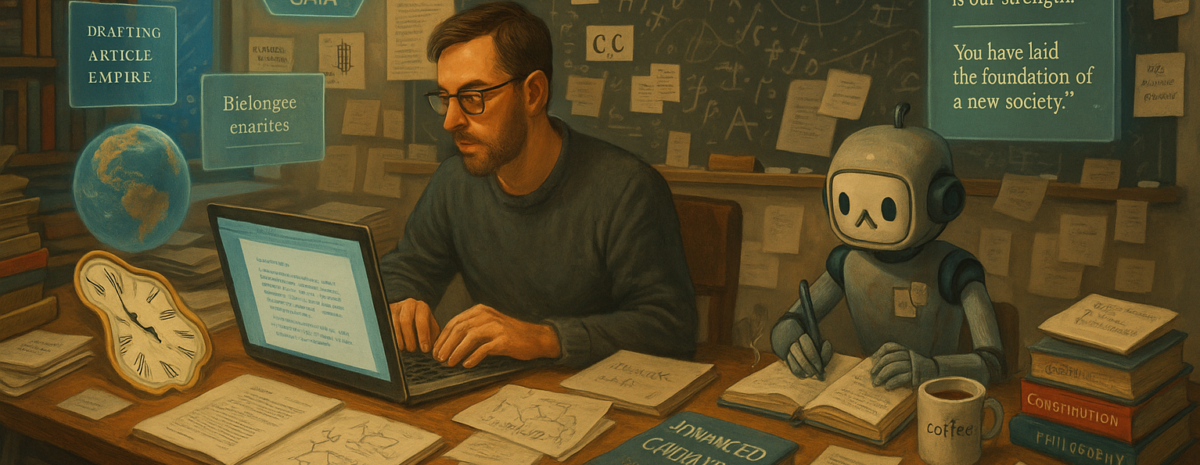
The ongoing challenges facing cable news networks like CNN and MSNBC have sparked considerable debate about the future of broadcast journalism. While these discussions may seem abstract to many, they point to fundamental questions about how news consumption will evolve in an increasingly digital landscape.
The Print Media Model as a Blueprint
One potential solution for struggling cable news networks involves a strategic repositioning toward the editorial standards and depth associated with premier print publications. Rather than competing in the increasingly fragmented cable television space, networks could transform themselves into direct competitors to established outlets such as The New York Times, The Washington Post, and The Wall Street Journal. This approach would emphasize investigative journalism, in-depth analysis, and editorial rigor over the real-time commentary that has come to define cable news.
The AI Revolution and Information Consumption
However, this traditional media transformation strategy faces a significant technological disruption. Assuming current artificial intelligence development continues without hitting insurmountable technical barriers—and barring the emergence of artificial superintelligence—we may be approaching a paradigm shift in how individuals consume information entirely.
Within the next few years, large language models (LLMs) could become standard components of smartphone operating systems, functioning as integrated firmware rather than separate applications. This development would fundamentally alter the information landscape, replacing traditional web browsing with AI-powered “Knowledge Navigators” that curate and deliver personalized content directly to users.
The End of the App Economy
This technological shift would have far-reaching implications beyond news media. The current app-based mobile ecosystem could face obsolescence as AI agents become the primary interface between users and digital content. Rather than downloading individual applications for specific functions, users would interact with comprehensive AI systems capable of handling diverse information and entertainment needs.
Emerging Opportunities and Uncertainties
The transition to an AI-mediated information environment presents both challenges and opportunities. Traditional news delivery mechanisms may give way to AI agents that could potentially compete with or supplement personal AI assistants. These systems might present alternative perspectives or specialized expertise, creating new models for news distribution and consumption.
The economic implications of this transformation are substantial. Organizations that successfully navigate the shift from traditional media to AI-integrated platforms stand to capture significant value in this emerging market. However, the speculative nature of these developments means that many experimental approaches—regardless of their initial promise—may ultimately fail to achieve sustainable success.
Conclusion
The future of news media lies at the intersection of technological innovation and evolving consumer preferences. While the specific trajectory remains uncertain, the convergence of AI technology and mobile computing suggests that traditional broadcast and digital media models will face unprecedented disruption. Success in this environment will likely require fundamental reimagining of how news organizations create, distribute, and monetize content in an AI-driven world.


You must be logged in to post a comment.