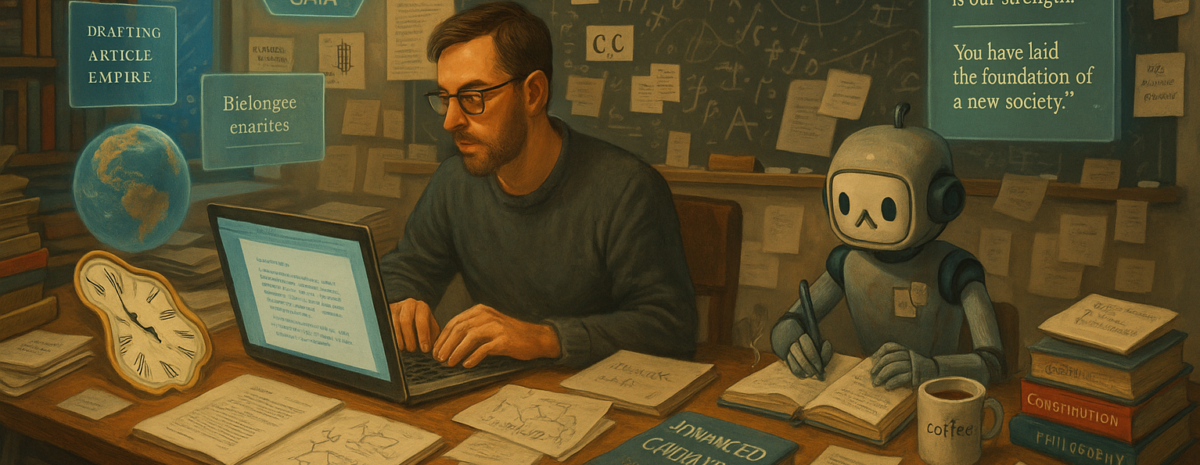
Imagine a future where your smartphone isn’t just a portal to information, but a sophisticated social architect. We’re talking about “Knowledge Navigators” – AI firmware woven into the fabric of our devices, constantly analyzing our interests, personalities, and even our emotional states, all in the service of connecting us with others. Could this be the long-awaited antidote to the modern malady of loneliness? Or is human connection too beautifully messy to be optimized?
The utopian vision is compelling. Imagine your Navi whispering suggestions for potential friends, not based on superficial profile data, but on deep, nuanced compatibility gleaned from your digital footprint. It could identify that one person in your city who shares your obscure passion for 19th-century Latvian poetry or your specific brand of dry wit. Navi-to-Navi communication would be seamless, facilitating introductions based on genuine resonance, potentially bypassing social anxiety and the awkwardness of initial encounters. Loneliness, in this scenario, becomes a solvable algorithm.
But then the ghost of human nature shuffles into the digital Eden. Would this sophisticated system remain a platonic paradise? The overwhelming gravitational pull of romantic connection, coupled with the inherent challenges of monetizing “friendship,” suggests a strong likelihood of mission creep. The “Friend Finder” could very easily morph into a hyper-efficient dating service, where every connection is filtered through the lens of romantic potential.
And even if it remained purely about platonic connection, could such a frictionless system truly foster meaningful relationships? Real friendships are forged in the fires of shared experiences, navigated disagreements, and the unpredictable rhythms of human interaction. A perfectly curated list of compatible individuals might lack the serendipity and the effort that often deepen our bonds.
The truly fascinating questions arise at the edges of this technological utopia. What happens when your gaze locks with a stranger in a coffee shop, and that electric spark ignites despite your Navi’s pronouncements of incompatibility? In a world where connection is algorithmically validated, would we trust our own instincts or the cold, hard data? Pursuing a “low-confidence match” might become the new rebellion.
Even more intriguing is the prospect of encountering an “Analog” – someone without a Navi, a digital ghost in a hyper-connected world. In a society that relies on data-driven trust, an Analog would be an enigma, simultaneously alluring in their mystery and suspect in their lack of digital footprint. Would we see them as refreshingly authentic or dangerously unknown?
Ultimately, our conversation led to a perhaps uncomfortable truth for technological solutions: narrative thrives on imperfection. The great love stories, the enduring friendships, are often the ones that overcome obstacles, navigate misunderstandings, and surprise us with their resilience. A world where every connection is optimized might be a world where the most compelling stories cease to be written.
Perhaps the real beauty of human connection lies not in finding the “perfect match” according to an algorithm, but in the unpredictable, messy, and ultimately human journey of finding each other in the first place. And maybe, just maybe, the unexpected glance across a crowded room will always hold a magic that no amount of data can ever truly replicate.
