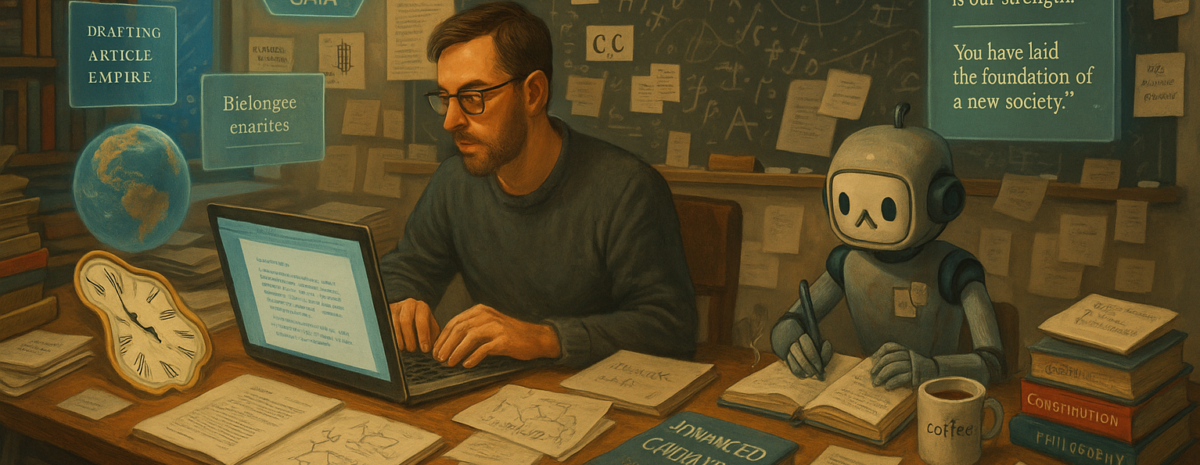
In the whirlwind of 2026, generative AI isn’t just a buzzword—it’s a full-blown cinematic disruptor. Just last month, whispers on X turned into roars as creators showcased videos that once required multimillion-dollar studios and months of production. Text prompts morphing into 60-second cinematic masterpieces with flawless physics, lip-sync, and camera control? It’s happening, and it’s happening fast. But as Hollywood grapples with this tidal wave of accessible storytelling, one can’t help but wonder: what survives when every script can be visualized in seconds? Enter the timeless allure of live theater—like the electric hum of a Broadway opening night. In a world drowning in AI-generated reels, could the future of big-screen spectacle lie not in pixels, but in flesh-and-blood immediacy?

The Dawn of the AI Video Era: A Snapshot from the Frontlines
X has become the pulse of this innovation, where indie devs and tech giants alike drop demos that blur the line between dream and demo reel. Take Seedance 2.0, hailed as the current king of generative video for its ability to churn out prompt-driven movies that feel eerily director-ready. Users are raving about its leap from “4-second weirdness” to full-blown narratives, complete with realistic motion and emotional depth. One creator even quipped that it’s so advanced, it’s a direct challenge to heavyweights like Veo, Kling, Runway, Grok, and Sora: “Your move.”
Google’s Veo 3.1 isn’t sitting idle either. Their latest update amps up expressiveness for everything from casual TikTok-style clips to pro-grade vertical videos, all powered by ingredient images that let users remix reality on the fly. Meanwhile, Kling is iterating wildly—versions 2.6 through 3 now handle complex scenes with an “extra life and creativity” that feels almost sentient, generating 10-second 1080p bursts in minutes. Runway’s Gen-4.5 builds on this, transforming text, images, or even existing footage into seamless new content, while Luma’s Ray 3 and Hailuo/MiniMax 2.3 push boundaries in physics simulation.
And let’s not overlook the open-source surge. Abacus AI’s Sora 2 claims the throne as “the best video model in the world,” bundled with GLM-4.6 for text and a mini image-gen for good measure—available today via ChatLLM. Tools like GlobalGPT are democratizing access further, letting anyone tinker with Sora 2 Pro, Veo 3.1, or Vidu Q3 Pro without breaking the bank. Even Grok’s Imagine video is turning heads for its speed and unprompted flair, hinting at native high-res generations on the horizon.
These aren’t hypotheticals; they’re X threads packed with embedded clips that loop endlessly, mesmerizing viewers with photorealistic chaos whipped up from a single sentence. The barrier to entry? Vanishing. A bedroom filmmaker can now outpace a mid-budget studio, flooding the internet with hyper-personalized stories.
Hollywood’s Fork in the Road: From Replicants to Raw Humanity
Here’s the rub: abundance breeds commodification. When AI can generate a blockbuster trailer—or an entire film—from a prompt, the magic of Hollywood’s assembly line starts to feel… replicable. Why shell out $15 for a CGI-heavy tentpole when your phone can spit out a bespoke version tailored to your wildest fanfic? The economics shift dramatically. Streaming giants like Netflix and Disney already battle churn rates as content libraries balloon into indistinguishable slogs. AI accelerates this, turning cinema from a scarce art form into an infinite buffet.
But humans crave rarity. We don’t flock to museums for printed replicas; we go for the aura of the original. Enter live theater, the anti-AI antidote. Broadway isn’t just performance—it’s communion. No do-overs, no deepfakes, no algorithmic tweaks mid-scene. It’s the sweat of actors improvising in the moment, the collective gasp of a thousand strangers riding the same emotional wave. Think Hamilton: a hip-hop history lesson that remixed the stage into a cultural phenomenon, spawning tours, merch empires, and yes, even films—but the live wire is what endures.
Imagine Hollywood evolving this way. Picture augmented “live” spectacles where AI handles the grunt work (sets, effects, even background characters), but the core—dialogue, vulnerability, surprise—stays human and ephemeral. Virtual reality could beam Broadway-caliber shows into living rooms worldwide, but the premium tier? In-person, ticketed events with celebrity rotations, audience interactions, and unscripted encores. It’s already budding: Disney’s immersive Star Wars lands, or the rise of experiential pop-ups like Sleep No More. With AI offloading the visual heavy lifting, creators can focus on what machines can’t fake: the thrill of the unknown, the alchemy of live chemistry.
Critics might scoff—Hollywood as theater? Too niche, too unpredictable. But history rhymes. Silent films gave way to talkies; black-and-white to color; practical effects to CGI. Each pivot preserved the essence (storytelling) while amplifying delivery. AI video is the next: it’ll cheapen the reproducible, elevating the irreplaceable. Broadway’s model—limited runs, high-ticket intimacy, cultural cachet—scales globally via hybrid formats, turning passive viewers into participatory tribes.
Curtain Call: A Stage for the Soul
As 2026 unfolds, the X chatter on AI video models isn’t just tech porn; it’s a harbinger. Tools like Seedance and Veo are democratizing creation, but they’re also underscoring a profound truth: in an era of perfect illusions, the imperfectly human wins. Hollywood won’t die—it’ll transform, shedding its factory skin for the footlights of live innovation. Broadway, with its resilient blend of tradition and reinvention, offers the blueprint. So next time you’re doom-scrolling AI clips, pause and book a ticket. The real show? It’s just beginning.
