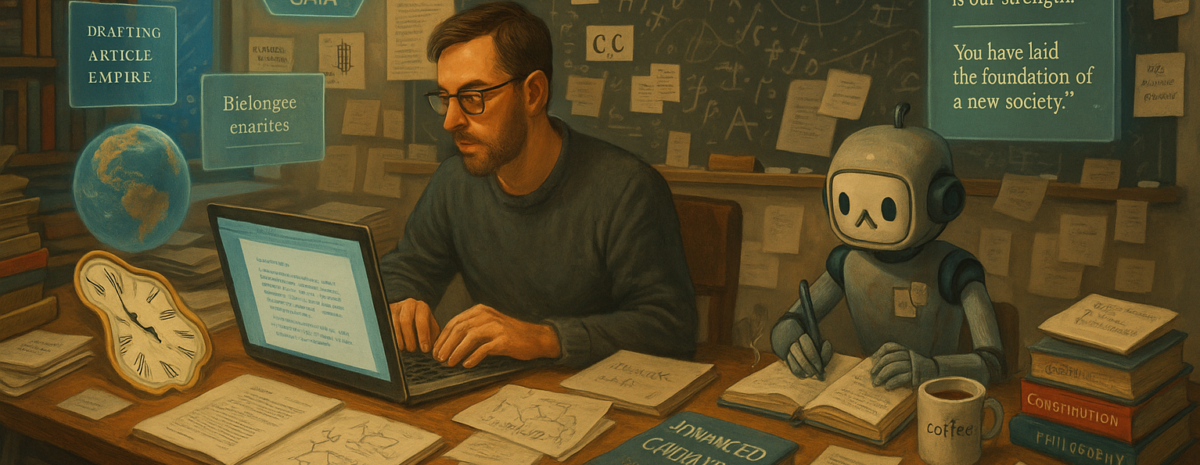
The hypothesis that Hollywood studios will eventually transform into IP holding companies, where AI agents leverage licensed intellectual property to create personalized, bespoke content for users, is no longer a matter of distant speculation. As of early 2026, the entertainment industry is already in the midst of this structural metamorphosis. The convergence of generative AI (such as OpenAI’s Sora 2), decentralized distribution, and a shift in consumer behavior toward hyper-personalization has set the stage for a fundamental reimagining of what a “studio” actually is.
1. The Shift in the Core Asset: From Films to Foundations
In the traditional studio model, the primary asset was the finished product—the 120-minute feature film or the 22-episode television season. In the emerging AI-driven landscape, the core asset has shifted to the foundational intellectual property: the characters, the lore, the world-building, and the digital likenesses of the actors.
| Aspect | Traditional Studio Model | AI-Driven IP Holding Model |
|---|---|---|
| Primary Function | Physical production and distribution | IP stewardship and licensing |
| Core Asset | Finished media (MP4, DCP) | Digital assets, lore, and character weights |
| Production | Human-led, multi-year timelines | AI-driven, real-time, or near-real-time |
| Creative Control | Centralized (Director/Producer) | Decentralized (AI-guided, User-influenced) |
Recent developments in 2025 and 2026 show that studios like Disney and Warner Bros. are increasingly viewing their libraries as “training sets” and “licensing foundations.” For instance, Disney’s reported move in late 2025 to hand over its most valuable characters to AI models for licensed use marks a pivotal moment where the studio prioritizes the utility of its characters over the scarcity of its films.
2. The Rise of Personalized and Bespoke Narratives
The concept of “bespoke versions” for users is already manifesting in platforms like Fable Studio’s “Showrunner”, which allows users to generate custom episodes of animated shows from simple text prompts. Even more telling is the recent launch of the Disney+ “Magic Feed” in March 2026. This feature, which initially focused on vertical video clips, is widely seen as the precursor to a system where users can generate personalized AI scenes within the Disney ecosystem—such as a version of Star Wars where the user themselves is a Jedi, or a Marvel movie with a customized plotline.
“The ‘Magic Feed’ won’t just show you clips from existing movies; it will show you personalized AI-generated scenes… this is the first step toward user-created artificial intelligence videos within a walled garden of premium IP.” [1]
3. The Economic Transformation: Licensing as the New Box Office
As studios become IP holding companies, their revenue models are shifting from high-risk, high-reward box office releases to a more stable licensing and subscription-based model. In this scenario, the studio acts as a “Rights OS,” providing the legal and creative framework for AI agents to operate.
- IP Licensing Fees: Charging AI platforms (like OpenAI, Runway, or specialized “Showrunner” apps) for the right to use specific characters or worlds.
- Bespoke Subscriptions: A premium tier of streaming services that allows for a certain number of AI-generated “bespoke” episodes or scenes per month.
- Data Monetization: Using the data from millions of user-generated versions to understand what audiences truly want, which then informs the creation of “canonical” entries in the franchise.
4. Challenges: Talent, Law, and the “Soul” of Cinema
Despite the economic logic, this transition faces significant headwinds:
- Talent Resistance: The 2025 backlash against AI avatars like Tilly Norwood and the ongoing concerns from SAG-AFTRA highlight a deep-seated fear that human actors will be replaced by digital clones. Studios must navigate complex “right of publicity” laws to license actor likenesses for personalized content.
- Legal Battles: Landmark lawsuits in 2025 (e.g., Disney/Universal vs. Midjourney) demonstrate that studios are willing to fight aggressively to ensure they, and not tech companies, control the AI generation process.
- The Loss of Shared Experience: If everyone is watching their own bespoke version of a movie, the “water cooler” moment of shared cultural experience risks disappearing. Critics argue that “bespoke” content may lack the artistic intent and cohesion that only human creators can provide.
5. Conclusion: The Hybrid Future
The most likely outcome is a hybrid model. Hollywood studios will not entirely stop producing “canonical” high-budget human-led films, as these serve as the “anchor points” for the IP’s value. However, the vast majority of consumer engagement will likely shift toward AI-driven personalized content.
In this future, a studio’s success will be measured not by its ability to manage a film set, but by its ability to maintain the cultural relevance and legal integrity of its IP. The studio becomes the “gardener” of a fictional universe, while AI agents and users are the “explorers” who create an infinite number of paths within it.
References:
[1] Inside the Magic, “Mickey Goes TikTok: Why Disney+ Vertical Video is the Secret Key to User-Created AI Videos,” March 2026.
[2] The Trumplandia Report, “The Ultimate Fate of Content Creation in the Age of AI Agents,” March 2024/2026.
[3] Variety, “Media Predictions 2026: Odyssey Dominates,” December 2025.
