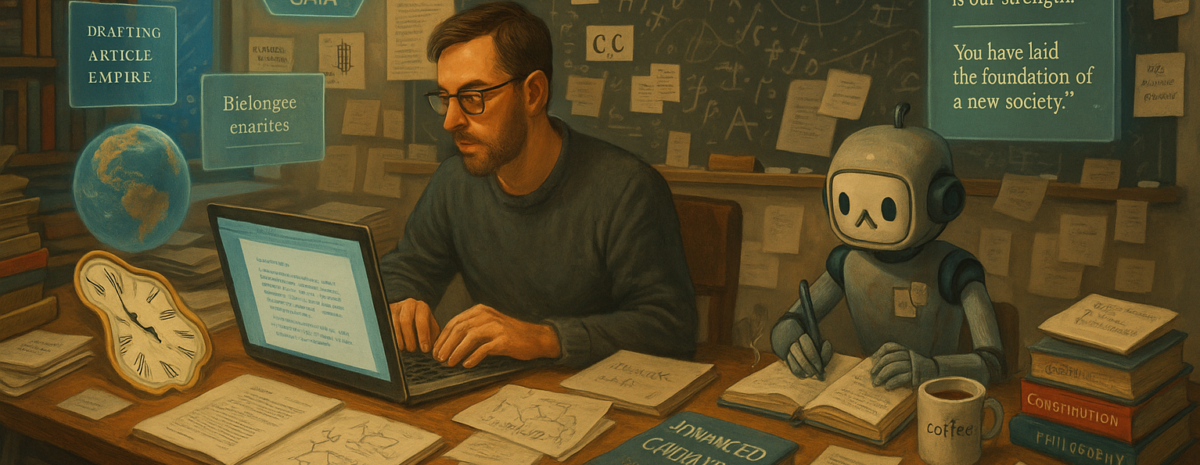
I’ve wrapped the first act of my sci-fi dramedy’s second draft. The milestone feels significant enough to warrant stepping back before plunging into Act Two’s deeper complications.
My plan is straightforward: read through the complete outline, then review what I’ve actually written. This should give me the perspective I need to tackle the rest of the novel with clarity rather than momentum alone.
I’m also considering character studies for the major players. It’s foundational work that often gets skipped in favor of forward motion, but might be exactly what this story needs.
The pause brings up familiar anxieties about craft. I can construct a solid narrative, but there’s a persistent sense that I’m missing something—some technique or insight that separates competent storytelling from compelling work. It’s the kind of self-doubt that either paralyzes or motivates, depending on how you channel it.
I’ll use these few days for broader reading too. Sometimes the best thing you can do for a project is step away from it entirely and let different voices and perspectives shake up your creative approach.
The timeline is loose but intentional: back to full-time writing by late September, possibly early October if the reflection period proves more valuable than expected. The key is recognizing when the pause has served its purpose rather than letting it drift into procrastination.
Sometimes the work requires working. Sometimes it requires not working. Learning to distinguish between the two might be more important than any particular writing technique.
