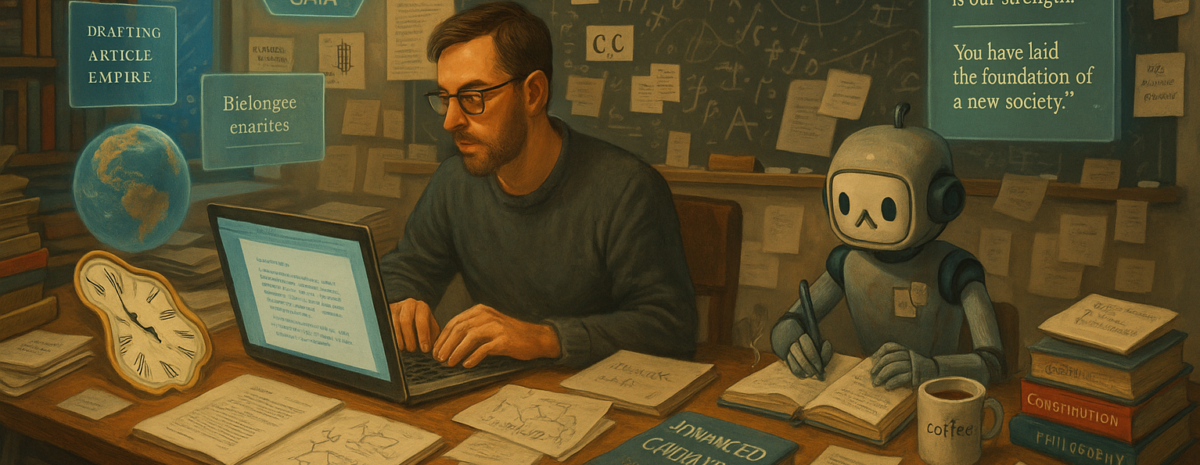
The enduring appeal of magazines as a medium remains compelling, despite shifting consumption patterns in the digital age. While personal engagement with print publications has declined, the fundamental concept of curated, specialized content delivery continues to hold significant value. This raises important questions about how traditional media formats will adapt and evolve as artificial intelligence becomes increasingly integrated into information consumption.
The Potential for Media Consolidation Through AI
A plausible trajectory for the media landscape involves the convergence of traditional outlets into specialized AI-driven information systems. This evolution could manifest through personalized “anchor” AI assistants that serve as primary information gatekeepers for individual users. These systems would operate within comprehensive subscription frameworks, seamlessly routing users to specialized AI agents as needed.
For instance, a user’s primary AI assistant might delegate breaking news inquiries to a CNN-affiliated agent, sports coverage to an ESPN-powered system, or financial updates to specialized business media agents. This model would preserve the expertise and editorial perspective of established media brands while fundamentally transforming the delivery mechanism.
The Digitization of Traditional Media
While the prospect of eliminating physical print media may be disappointing to those who value tactile reading experiences, current technological and economic trends suggest this outcome is increasingly likely. The transformation of all media into AI-agent-based systems represents not merely a change in format, but a fundamental restructuring of how information is curated, personalized, and delivered to consumers.
This evolution reflects broader patterns in digital transformation, where traditional industries adapt their core value propositions to new technological paradigms while maintaining their essential functions in modified forms.
Implications for the Future
The transition to AI-mediated media consumption presents both opportunities and challenges for information literacy, editorial independence, and the preservation of diverse perspectives in public discourse. As this transformation unfolds, careful consideration of these factors will be essential to maintaining the informational and cultural functions that traditional media has historically served.

You must be logged in to post a comment.