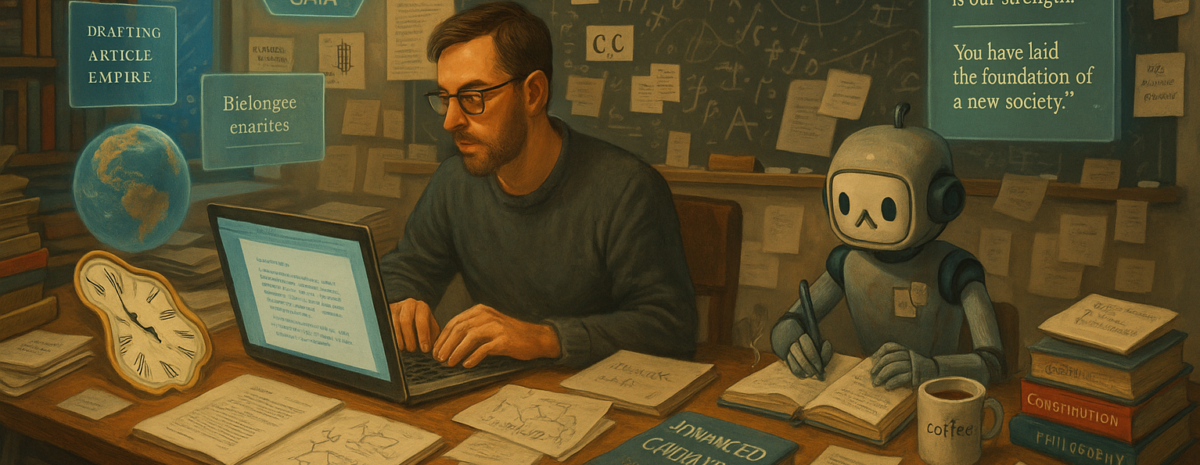
I spend too much time thinking about the end of the world.
Not in an abstract, philosophical way, but in vivid, practical detail. Standing in the cereal aisle at the local grocery store, I find myself cataloging which foods would keep longest without refrigeration. Walking past the pharmacy section, I mentally inventory which medications might become currency in a collapsed economy. The emergency exits aren’t just fire safety to me—they’re escape routes from whatever hypothetical chaos my brain has conjured that day.
This isn’t paranoid prepping or doomsday hoarding. It’s more like a mental exercise I can’t turn off, a constant background simulation running scenarios where normal life stops working. Sometimes it’s a natural disaster. Sometimes it’s economic collapse. Often it’s political violence, because let’s be honest—that one feels uncomfortably plausible these days.
The Confidence and the Fear
I tell myself I’d survive whatever came. More than that, I know I would. I’ve always had a talent for improvisation, for finding solutions when things go sideways. I’ve talked my way out of trouble, adapted to sudden changes, figured out problems that seemed impossible at first glance. If society collapsed tomorrow, I believe I could scavenge, negotiate, and scheme my way to safety.
But this confidence comes from a place of deep unease about where we’re headed as a country. Living as a political minority in a deeply divided region makes every news cycle feel potentially existential. When your neighbors’ yard signs suggest they view you as fundamentally un-American, it becomes easy to imagine scenarios where that rhetoric turns kinetic.
Maybe I’m overthinking it. I have a documented history of spinning worst-case scenarios until they feel inevitable. The gap between possibility and probability often gets lost in the anxious calculations of my brain.
The Real Apocalypse
The truth is, small apocalypses happen all the time. Job loss. Illness. Divorce. The death of someone you love. The slow erosion of institutions you trusted. The gradual realization that the world you thought you lived in was never quite real.
Most survival isn’t about hoarding canned goods or knowing which berries are poisonous. It’s about adapting to loss, finding new footing when everything familiar shifts beneath you, learning to build meaning in the wreckage of whatever you thought your life was going to be.
In that sense, maybe my grocery store fantasies aren’t really about societal collapse at all. Maybe they’re practice runs for the smaller, more personal disasters that actually shape our lives. Maybe imagining myself as competent in impossible circumstances is how I reassure myself I can handle the ordinary impossibilities of being human.
Or maybe I really am overthinking things. Probably both can be true.
