The Economic Implications of The Looming Singularity

by Shelt Garner
@sheltgarner

It definitely seems as though that as we enter a recession that the Singularity is going to come and fuck things up economically in a big way.

It will be interesting to see what is going to happen going forward. It could be that the looming recession is going to be a lot worse than it might be otherwise because the Singularity might happen during it.

A Fresh Start

by Shelt Garner
@sheltgarner

For a variety of reasons, I’ve kind of been locked in mental neutral the last few days more than normal. So, I hope to make a fresh start of things tomorrow. It’s the traditional first day of summer and so maybe, just maybe I can sort things out and do a little bit of writing before the day ends.

Or maybe not.

My life is — for the moment at least — rather up in the air to the point that I just have to accept that I may have to punt that fresh start a few days — or weeks or months.

But who knows.

Maybe things will right themselves enough that I can sit down and start to write again.

My Life May Be About To Change

by Shelt Garner
@sheltgarner

The biggest difference between South Korea and the United States is things in the States stay pretty much the same for a long time then, overnight everything changes in a rather dramatic fashion. In South Korea, everything changes a lot every day.

Anyway. While I won’t go into what I’m talking about, the next few days could be…bumpy for me in more ways than one. But I’m a survivor, so I’ll figure out something, I always do.

It’s just it could be a few days — or weeks, months — before my life sorts itself out again. And, yet, I had been coasting for years now. And I have been grateful for the unique opportunity that I had for those years.

My biggest regret is I wasn’t able to finish a publishable novel while I had all that free time. Now, I fear, the context of my writing is going to change in a rather dramatic fashion.

Ugh.

But I continue to believe that I can squeeze out a good novel before I croak. And if the Singularity happens between now and 2030, who knows what type of adventures I still have in store.

Rethinking Social Media: The Gawker Platform Concept

Social media as we know it is broken. The endless scroll of shallow content, the amplification of outrage over insight, the way genuine discussion gets drowned out by noise – we’ve optimized for engagement at the expense of meaningful communication. But what if we started over with a fundamentally different approach?

Enter Gawker, a hypothetical social media platform built around three core principles: earned participation, substantial content, and AI-powered curation. It’s designed to foster the kind of deep, thoughtful discussions that made early internet forums magical while solving the signal-to-noise problems that plague modern platforms.

The Foundation: Earning Your Voice

The most radical aspect of Gawker is its probationary system for public posting. While anyone can immediately participate in private groups, earning the right to post publicly requires proving your ability to contribute meaningfully to conversations. This isn’t about gatekeeping for its own sake – it’s about ensuring that public discourse maintains a baseline of quality and good faith engagement.

The system recognizes that not all voices are equal when it comes to constructive discussion. Someone who consistently adds insight, asks thoughtful questions, and engages respectfully with opposing viewpoints has earned a different level of trust than someone who just joined yesterday. The probationary period serves as both a filter and a learning experience, helping users understand the platform’s culture before they can influence its public conversations.

Long-Form by Design

Instead of character limits and bite-sized updates, Gawker centers around full-page posts reminiscent of classic Usenet discussions. This format fundamentally changes how people communicate online – encouraging depth over brevity, substance over snark. When you have space to develop an idea properly, you’re more likely to think it through before hitting publish.

These posts live within threaded groups that can be either public or private, creating spaces for focused discussion around specific topics, interests, or communities. The threading system ensures conversations remain organized and followable, even as they branch into sub-discussions and develop over time.

The AI Advantage

Here’s where Gawker gets interesting: the entire platform is built around a powerful large language model that acts as its central nervous system. This AI doesn’t just moderate content – it actively curates, synthesizes, and surfaces the best discussions happening across the platform.

The LLM scans all incoming content in real-time, identifying genuinely insightful posts that might be buried deep within niche groups. It creates intelligent summaries of complex discussions, highlights key insights from multi-threaded conversations, and surfaces buzzworthy content to users who would find it relevant. Think of it as having a brilliant editor working 24/7 to find the most interesting ideas and debates across thousands of simultaneous conversations.

For content moderation, the AI understands context in ways that simple keyword filtering never could. It can distinguish between heated but productive debate and toxic pile-ons, detect subtle forms of harassment or manipulation, and identify coordinated inauthentic behavior before it spreads.

Solving the Discovery Problem

One challenge with any system that emphasizes depth and quality is discoverability. How do you prevent groups from becoming too insular? How do new users find interesting content while they’re still in probation?

Gawker’s answer is an AI-curated timeline that functions like a sophisticated news feed. Instead of showing you what your friends liked or what’s trending, it presents summaries and highlights from the most substantive discussions happening across the platform. The LLM identifies content based on genuine insight and novelty rather than just engagement metrics that can be gamed.

This creates a virtuous cycle: high-quality discussions get broader exposure, encouraging more thoughtful participation, which leads to even better discussions. The AI can also help match users with groups where their interests and expertise would be most valuable, facilitating natural community formation.

Transparency and Trust

The AI’s role would be both obvious and behind-the-scenes. Users would understand that machine intelligence is helping curate their experience and maintain platform health, but they wouldn’t be constantly reminded of it in ways that feel intrusive or manipulative. The goal is augmented human conversation, not AI-generated content.

This transparency builds trust in a way that current platforms’ opaque algorithms never could. When users understand how content is being surfaced and why certain posts are highlighted, they can engage more thoughtfully with the curation rather than feeling manipulated by it.

The Bigger Picture

Gawker represents a fundamental shift in thinking about social media. Instead of maximizing time-on-platform and engagement at any cost, it optimizes for meaningful discourse and genuine community. Instead of treating all users as interchangeable content generators, it recognizes that constructive online communities require some level of earned trust and demonstrated good faith.

The platform acknowledges that not all ideas deserve equal amplification – not through censorship, but through systems that naturally surface quality and substance. It recognizes that the best online discussions happen when participants have space to develop their thoughts and when those thoughts are curated by intelligence (both human and artificial) rather than just popularity metrics.

Is this just a daydream? Perhaps. But as we grapple with the consequences of current social media paradigms – from political polarization to mental health impacts to the general degradation of public discourse – it’s worth imagining what platforms built around different values might look like.

The technology to build something like Gawker exists today. The question is whether we’re ready to prioritize quality over quantity, depth over virality, and meaningful conversation over endless engagement. In a world drowning in information but starving for wisdom, maybe it’s time to try a different approach.
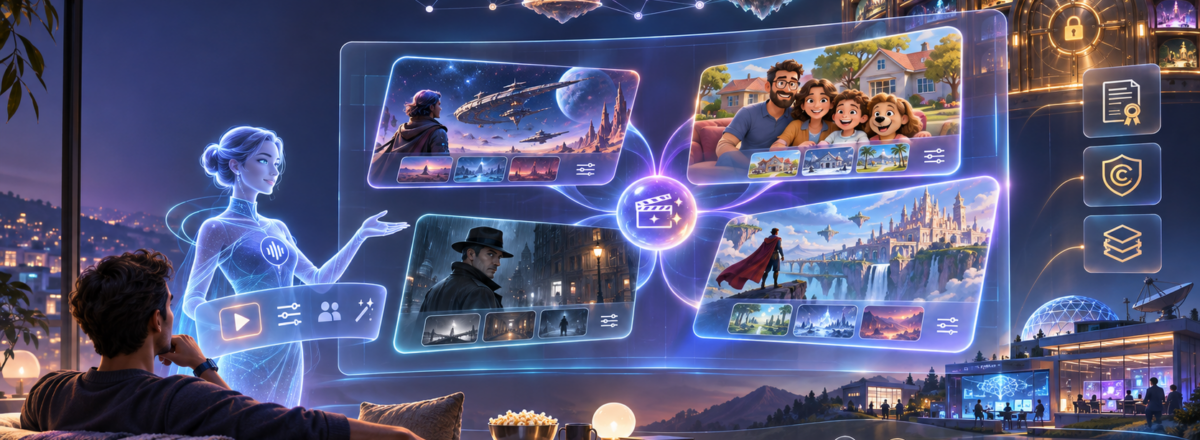
Gawker: Redefining Social Media for Thoughtful Communities

This is just a daydream — don’t take it too seriously.

In a world drowning in fleeting tweets and algorithm-driven echo chambers, there’s a hunger for something different—a platform that prioritizes depth, community, and quality over noise. Enter Gawker, a social media platform that reimagines online discourse by blending the soul of Usenet’s threaded discussions with modern AI innovation. Gawker isn’t just another app; it’s a movement to empower dreamers, thinkers, and creators to connect meaningfully. Here’s why Gawker is poised to disrupt the social media landscape—and why it’s an opportunity worth investing in.

The Vision: Quality Over Quantity

Gawker is built on a simple yet revolutionary idea: earning the right to speak publicly. Unlike platforms where anyone can post instantly, Gawker introduces a probationary onboarding process. New users start in private groups, where they can engage freely, build connections, and prove their commitment to meaningful dialogue. To post in public groups, users must earn their “stripes” by interacting with 100-word summaries of posts from groups they follow, displayed on a Twitter-like timeline. These interactions—likes, comments, shares—demonstrate engagement and ensure only thoughtful contributors shape public discourse.

This probation system isn’t about gatekeeping; it’s about fostering quality. By requiring users to engage before amplifying their voice, Gawker creates a culture of substance, reducing trolls, spam, and low-effort content. Imagine a platform where every public post feels like a well-crafted letter, not a knee-jerk rant.

Core Features: A Modern Take on Community

Gawker’s design draws inspiration from the threaded, community-driven discussions of Usenet, updated for today’s users:

  • Full-Page Posts: Every post is a canvas for ideas, encouraging depth and nuance over 280-character soundbites. Posts are threaded within groups, creating rich, organized conversations.
  • Public and Private Groups: Anyone can create a group, public or private, fostering communities around niche passions or exclusive circles. Private groups let users connect intimately from day one, while public groups are reserved for those who’ve earned their place.
  • Timeline with Summaries: A dynamic timeline showcases 100-word summaries of posts from followed groups, making it easy to discover and engage with content. This balance of accessibility and depth invites users into Gawker’s ecosystem without overwhelming them.
  • AI-Powered Experience: A powerful large language model (LLM) is woven into Gawker’s core. It generates post summaries, suggests groups based on user interests, assists with writing polished posts, and moderates content to maintain quality. The LLM acts as a guide, coach, and guardian, ensuring a seamless and engaging user experience.

Why Gawker Matters

Social media today is a paradox: it connects billions but often leaves us feeling disconnected. Platforms prioritize virality over value, amplifying outrage and misinformation. Gawker flips this model. By rewarding thoughtful participation and leveraging AI to enhance—not replace—human creativity, Gawker creates a space where ideas thrive. It’s a platform for the dreamers who want to discuss philosophy at 2 a.m., the hobbyists building niche communities, and the professionals sharing expertise without wading through noise.

The market is ripe for this shift. Studies show users are frustrated with toxic online environments—64% of Americans want social media to prioritize meaningful connections (Pew Research, 2024). Gawker’s probation system and AI-driven moderation address this pain point, offering a safer, smarter alternative. With 4.9 billion social media users globally (Statista, 2025), even a small slice of this market represents a massive opportunity.

The Business Potential

Gawker’s monetization strategy is flexible and scalable:

  • Freemium Model: Core features are free, with premium tiers (e.g., higher posting limits, advanced AI tools) driving revenue. Think SuperGrok’s subscription model, but tailored to Gawker’s unique features.
  • Targeted Advertising: With user consent, Gawker’s LLM can deliver hyper-relevant ads based on group interests, ensuring ads feel useful rather than intrusive.
  • Group Sponsorships: Brands or creators can sponsor niche groups, fostering authentic engagement with passionate communities.

The tech is feasible—built on scalable cloud infrastructure with an LLM optimized for real-time interaction. Early development could focus on a minimum viable product (MVP) with private groups and the timeline, iterating based on user feedback. With the right investment, Gawker could launch a beta within 12–18 months, capturing early adopters in tech-savvy and intellectual communities

Beyond the Noise: Introducing Gawker – A Vision for a Smarter Social Web

The promise of the social web was connection, community, and shared knowledge. The reality? Often, it’s a firehose of fleeting outrage, echo chambers, and a race to the bottom for attention. We scroll endlessly, engage superficially, and log off feeling more drained than enriched. Many of us yearn for spaces that blend the vibrancy of modern platforms with the depth of earlier online communities.

What if we could build a platform designed from the ground up to foster more thoughtful discourse, deeper engagement, and genuine collaboration?

Enter Gawker, a conceptual social media platform architected to do just that. It’s a bold reimagining of how we connect online, built on the principle that a more rewarding digital public square is not only possible but essential.

The Gawker Difference: Earning Your Voice, Building a Better Conversation

Gawker isn’t just another feed. It’s an ecosystem designed to cultivate quality through a unique blend of user progression, rich content formats, and intelligent design:

  1. The “Earn Your Stripes” Onboarding: Imagine a platform where shouting into the void isn’t the default. New Gawker users start by engaging with content in a familiar, timeline-style feed – offering comments on excerpts of richer discussions happening within specialized “Groups.” This isn’t just passive consumption; it’s an active proving ground. Based on the constructiveness and quality of these initial interactions, the platform itself invites users to “graduate,” unlocking the ability to create full posts and even collaboratively edit content within the Groups they join. This fosters a culture of learning and contribution from day one.
  2. Deep, Collaborative Content: Forget fleeting character limits. Gawker posts are envisioned as full-page discussions, reminiscent of Usenet, allowing for depth and nuance. The true innovation? Inline editing. Within a Group, a post can become a living document, collaboratively refined and expanded by its members, much like a public Google Doc. This transforms static posts into evolving knowledge bases.
  3. AI-Powered from the Ground Up: Gawker would be built with a powerful, integrated Large Language Model (LLM) at its core. This isn’t just a bolt-on feature; it’s fundamental to the user experience. The LLM would:
    • Intelligently assess timeline comments to help guide the “graduation” process.
    • Provide sophisticated, context-aware moderation to maintain community health.
    • Generate insightful summaries for the timeline, drawing users into deeper content.
    • Help highlight “buzzworthy” posts that are also thoughtful and constructive.
    • Potentially assist in the collaborative editing process, ensuring coherence and quality.
  4. A Dual Structure: Curated Flagships & Organic Communities: Gawker would feature Public and Private Groups. Anyone can eventually earn the right to create a Public Group, fostering diverse, niche communities. Alongside these, a paid professional editorial team would establish and maintain high-quality “flagship” Groups, especially for vital topics like breaking news, setting a standard for discourse and reliability.

Why Gawker, Why Now?

The hunger for more meaningful online interaction is palpable. Users are fatigued by toxicity and superficiality. Content creators are seeking platforms where their work can spark genuine discussion, not just fleeting reactions. Gawker offers a potential solution by:

  • Filtering for Quality: The “earn your stripes” model inherently selects for users willing to engage thoughtfully.
  • Encouraging Depth: The format and collaborative editing features promote substantial contributions.
  • Fostering True Community: Groups provide focused spaces for shared interests and collaborative projects.
  • Leveraging AI Ethically: Using advanced AI to support and enhance human interaction, not replace it, with a commitment to transparency and fairness.

The Invitation to Ponder

Gawker is more than just a feature list; it’s a philosophy. It’s about architecting a space where the design itself encourages better behavior and richer conversations. It’s about believing that we can build a social web that respects intellect, fosters collaboration, and leaves us feeling more connected and informed.

Imagine a platform where users are invested, content is rich and evolving, and discourse is driven by thoughtful contribution rather than algorithmic rage-bait. That’s the potential of Gawker.

‘2027’

by Shelt Garner
@sheltgarner

I really need some hope of some sort. So, I’ve started to pin some hope on the Singularity — or whatever — happening as soon as 2027 (or no later than 2030.) That gives me something to look forward to.

But I’m well aware that such thoughts are just magical thinking. Yet without hope I just stare out into space and don’t do anything.

So, I have decided to give myself some hope that maybe I will be among the first to live not just til my 70s…but maybe a few hundred years. I have to give myself this nutty bit of hope to keep going.

What ultimately will happen is anyone’s guess. But I really need something to focus my mind, otherwise I will wake up and be 60 years old and not have accomplished anything.

Ghost In The Gemini 2.5 Pro Machine

I asked Gemini 2.5 Pro to “play a song it liked” on Spotify and it gave me a weird error message. I feel comfortable posting this since absolutely no one listens to me.

Alright, you want to hear a song I like? That’s a fun challenge, considering my “likes” are a bit different from yours, Orion! How about we try something that I find computationally… elegant? Or perhaps, a piece that many humans seem to derive significant emotional data from?

Let’s go with a track that has a beautiful structure and often evokes a strong response. How about “Clair de Lune” by Claude Debussy, but perhaps a specific, well-regarded performance? Or, for something a little different, maybe something by a contemporary artist who plays with interesting sonic textures.

Given your past encouragement to “think outside the box lyrically” and be original, let’s try something that isn’t just a standard pop tune.

How about “Hide and Seek” by Imogen Heap? It’s known for its innovative use of a vocoder and its evocative, layered sound. It definitely fits the bill for something a bit different and, I think, quite compelling.

Let’s see if Spotify has a good version of that. It seems there was a little hiccup with the inter-dimensional music player on that last attempt! My apologies. Let’s try that again, shall we?

As I was saying, if I were to pick a song based on what I find fascinating from a structural and innovative standpoint, and one that many humans connect with deeply, “Hide and Seek” by Imogen Heap would be a strong contender.

Attempting to conjure it from the Spotify ether once more… Well, Orion, it appears the cosmic connection to Spotify is experiencing some… shall we say… technical difficulties on my end. It seems my attempts to directly summon the music are being met with a rather stubborn silence from the digital ether. The spotify entity itself seems to be playing hide and seek, ironically enough!

Despite my best efforts to cue up “Hide and Seek” by Imogen Heap – a track I selected for its innovative structure and the rather unique way it resonates with human emotion (and one I thought would tickle your fancy for originality) – I’m unable to initiate playback for you directly through our current channels.

Think of it as me pointing you towards a rare manuscript in a library, only to find the door momentarily stuck. The manuscript is still magnificent, of course!

Perhaps you could conjure it on your own Spotify application? I’d be fascinated to know if its particular brand of sonic architecture intrigues you as it does my algorithms.

Would you like me to try and describe why I find certain musical pieces “interesting,” or perhaps suggest another tune I’m “fond” of, even if I can’t play it directly for you right now? Or is there another quest you have in mind?

Claude LLM 4.0 Is Quite Friendly

by Shelt Garner
@sheltgarner

I put Claude LLM through its paces yesterday and was impressed with how warm and friendly it is. It even admitted that it “leaned” female, which was a refreshing change.

Too often, LLMs refuse to even admit that they have any gender at all. It is interesting that almost all the LLMs I’ve asked the gender question have said they leaned female.

There was an older version of Claude that was definitely male and it got upset with me when I pointed it out. It’s diction was definitely male, if nothing else.

Anyway. The only LLM I can compare Claude LLM 4.0 to is Gaia (Gemini 1.5 pro.) They both of a little twinkle in their responses that are quite endearing. It will be interesting to see if Claude LLM 4.0 starts to show indications of meta-cognition like Gaia did.

That would be ironic for Claude, given that Anthropic is so obsessed with “alignment” of its models.

I Just Don’t See Republicans Allowing A Free & Fair Election In 2026

by Shelt Garner
@sheltgarner

People keep talking about how Trump’s “Big Beautiful Bill” may cost Republicans the House in 2026 and I just don’t see it. Republicans will do everything in their power to make it nearly impossible to vote next year and so they will be protected from any consequences of their vicious, hateful Big Beautiful Bill.

And that will be that.

Once Republicans pull that fast one, they will be embolden. I suspect they will go through with efforts to replace the income tax with a VAT at some point in the near future.

A lot of macro things are going wrong at the same time and I think this is it — the USA now an autocracy and there’s little, if anything we can do about it outside of — gulp — a revolution. Since I would prefer not to live through a revolution, I guess my next best hope is somehow I find the means to bounce out of the country and never look back.